
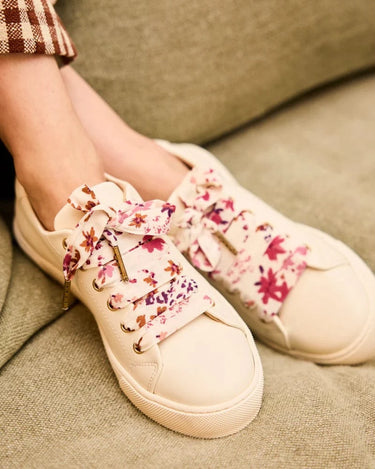



The Organic Cotton Edit
An alternative to polyester, wool and other animal or synthetic fibres, organic cotton is much kinder to the environment than conventional cotton: it uses much fewer pesticides, and is less water-intensive, as farmers can rely on rain water for its growth.
Organic cotton is a very versatile material – from sustainable organic cotton t-shirts and dresses to vegan knitwear, it's a great basic fabric to introduce to your wardrobe.


You May Also Like
Recently viewed
These are the most frequently asked questions about The Organic Cotton Edit:
Yes cotton and linen are vegan materials, made from plants.
Read more in our articles Is Linen The Most Sustainable Fabric In Fashion? and Is Organic Cotton Really Better Than Conventional? (Spoiler: Yes)
The term “organic” refers to how something is grown and farmed. In the case of cotton, these processes are key to the overall sustainability of the fabric – as it's so widely used, the practices of its manufacture have a large impact.
At least 75% of the world's clothing features cotton in some form, making it the most widely used textile in fashion. Cotton is a natural material, and as such it is often believed to be inherently eco-friendly. The truth is that the production of the conventional, non-organic material, which many of our jeans, t-shirts, sweatshirts and tote bags are made from, presents issues such as water waste and pollution. So this is one case where organic actually does matter, and choosing it does in fact make a difference.
Pesticides and chemical fertilisers. This is perhaps the most well-known and celebrated advantage of organic cotton – and it's a big one. Non-organic fabrics can make heavy use of these toxic substances – conventional cotton uses 6% of the world's pesticides and 16% of its insecticides, which poisons nearby communities and endangers the lives of farmers. Organic cotton farming relies on crop rotation to combat diseases, thus eliminating the need for harsh chemicals.
Water use. Is your t-shirt thirsty? Conventional cotton is a jaw-droppingly water-intensive crop. Just one kg of the material takes 10-20k litres of water to produce, due to soil health and surface groundwater resources being used to water the crops. Organic farming uses rainwater to irrigate the crops, and soil health is a key priority for farmers: healthy soil soaks up and retains water, making the crop less water-intensive overall.
Read more in our article Is Organic Cotton Really Better Than Conventional? (Spoiler: Yes)
Organic cotton is usually more expensive but not much more. This is because it does not use chemical fertilisers, pesticides and insecticides, and uses rainwater to irrigate the crops, which is much better for soil health.
Read more in our article Is Organic Cotton Really Better Than Conventional? (Spoiler: Yes)
Yes organic cotton is very breathable, being a natural, plant-based fabric. Read more in our article Is Organic Cotton Really Better Than Conventional? (Spoiler: Yes)
Organic cotton is biodegradable by itself, as it is a natural, plant-based material. Read more in our article Is Organic Cotton Really Better Than Conventional? (Spoiler: Yes)
How long cotton lasts depends more on the quality of the cotton used and the brand making the item. Invest in high quality brands using organic cotton, such as the ones we sell at Immaculate Vegan. Read more in our article Is Organic Cotton Really Better Than Conventional? (Spoiler: Yes)