
Can Sneaker Collecting Culture Be Sustainable?
Few fashion items are as iconic as the right sneaker. From the feet of the world's biggest athletes, sneakers have taken the step all the way to the front row: some of the most prominent fashion editors and industry professionals are big fans. But all of that pales in comparison to sneaker collecting culture: a 2010-2020s phenomenon that sees so-called "sneaker heads" (passionate aficionados) collect rare, limited-edition designs which could possibly be re-sold for thousands. Driving sky-high bidding actions, styles such as Nike's Air Jordan High 1s have sold for as much as $27,500 at auction. Collaborations with celebrities ranging from Kanye West to Kendrick Lamar and Rihanna have also contributed to the hype.
By Sascha Camilli: writer, speaker, activist, and vegan fashion expert.

The upkeep of collector culture relies on "sneaker drops": constant releases of new designs, all vying to become future collectibles. The buzz around brand-new styles is what leads to the craze around getting your hands on a pair: people have been known to camp out at stores for days ahead of a new release. How does sustainability square with a culture so heavily focused on consumption? "The sneaker industry relies on volume – on constant production, on the creation and manipulation of demand, in a way that regular fashion doesn't even come close to," says Karl Smith-Eloise, co-founder and creative director of CHOLLA and former head of EMEA editorial for HYPEBEAST. And with over 23 billion pairs of sneakers made every year, it's easy to see why the sheer numbers raise question marks - after all, mass production and mass discarding is at the very core of fashion's sustainability issues.
But what about longevity? Surely a collector's item is meant to last? Shoe designer Jessica Good of British B Corp company Shoedesign, thinks back to her own experience: "A large percentage of sneakers are not going to survive more than 20 years. I stored my prototypes from the 1990s - I opened the case last year and everything had fallen apart. The foam soles develop a condition called hydrolysis which makes them crumble to dust. UV sunlight degrades rubber soles making them yellow and brittle, and humidity also degrades polyurethane uppers. They peel, delaminate, go sticky or change colour. You can slow the process by preserving it like in a museum, but you can't stop it."

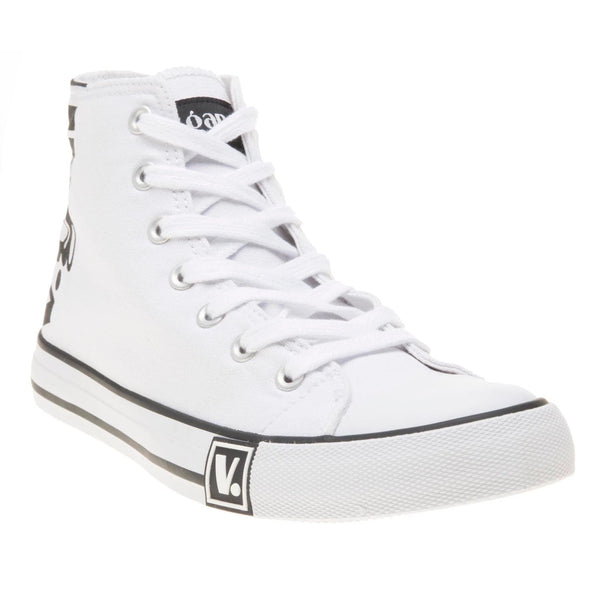
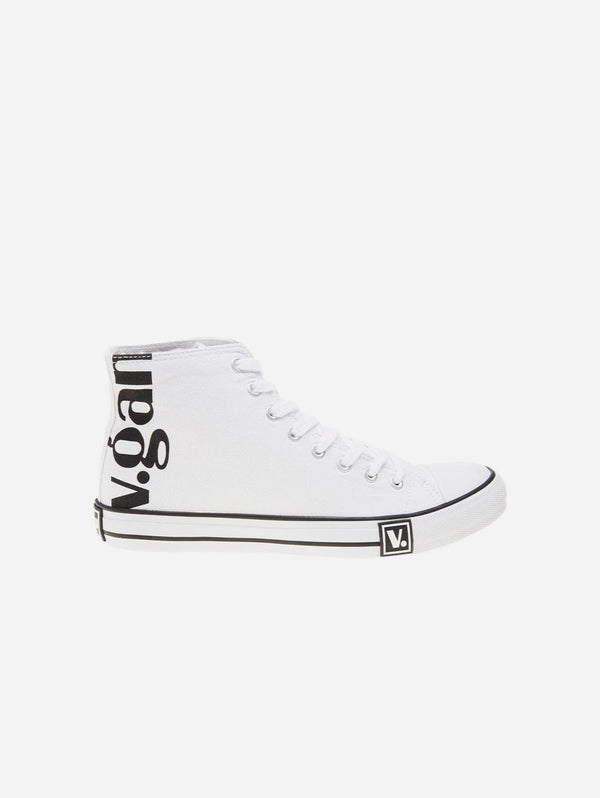
In most recent years, sneaker heads have gotten a taste for new materials: brands like Nike and Adidas have both experimented with plant leathers such as those made from pineapple and mushroom, and the latter has also worked with eco-conscious designer Stella McCartney on a covetable vegan version of its iconic Stan Smith collectible shoe. Can material innovation change the game? Smith-Eloise is sceptical - in his view, this is a consumer demand issue. "Yes, there are some amazing advances being made in sneakers and footwear more broadly (in terms of material innovation; in terms of modular design; in terms of low-waste processes like 3D printing), but the market isn't demanding change – it's demanding more; sneaker heads want more; they want new – and so change is left in the hands of smaller, innovative companies for the most part."
The smaller, more innovative companies are working hard to change the sneaker landscape, but without the clout that iconic brands have, it is an uphill battle. "The issue, really, is that because attitudes aren't changing fast enough, we're left with having to change footwear in its entirety," says Smith-Eloise. "To reimagine how sneakers are made and what they're made from – how their lifecycle works and what their end of life looks like. If we can't shift the system, we have to go to the source. It's no small thing, but there are some amazing people working on it."
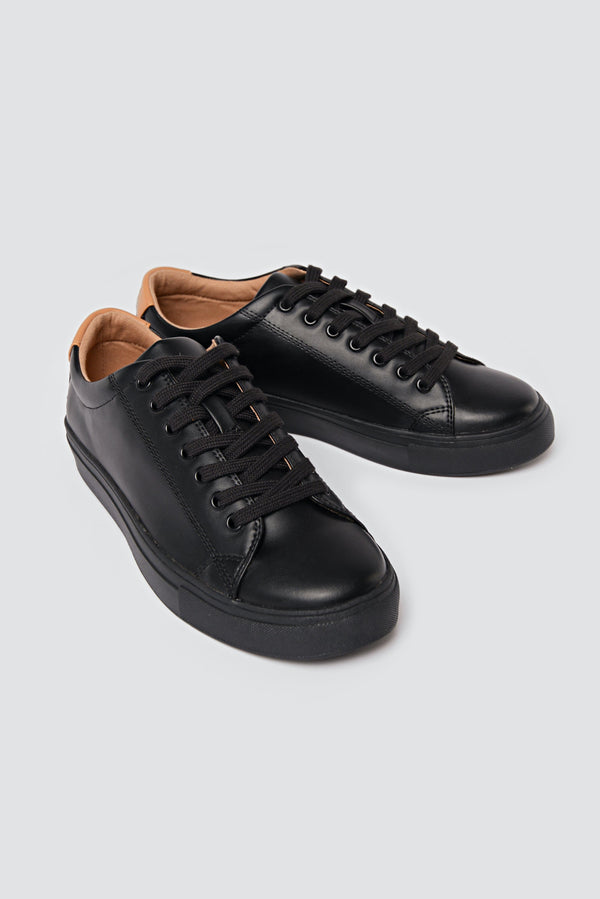
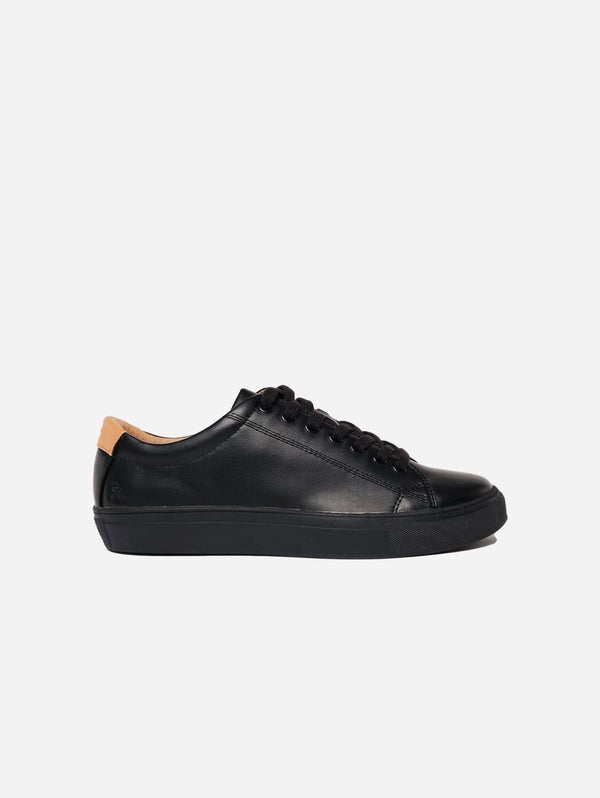
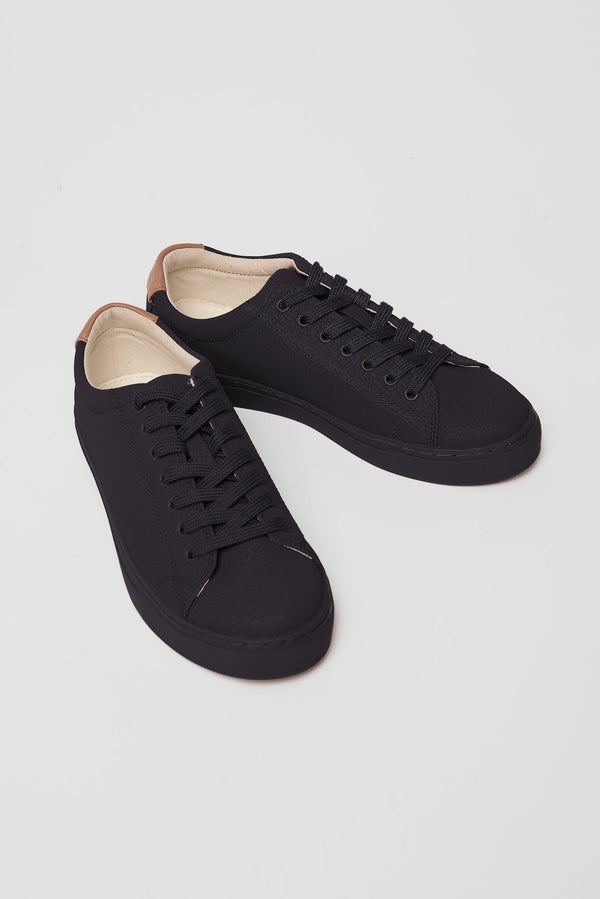
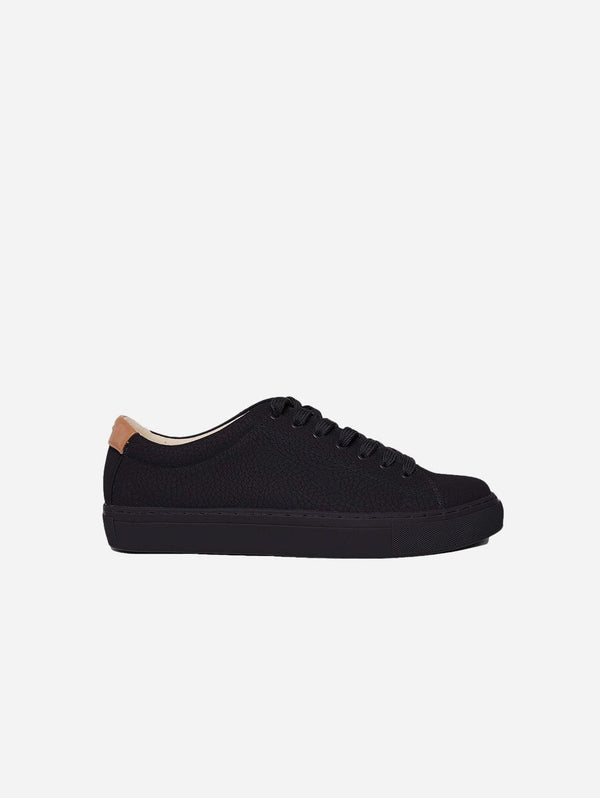
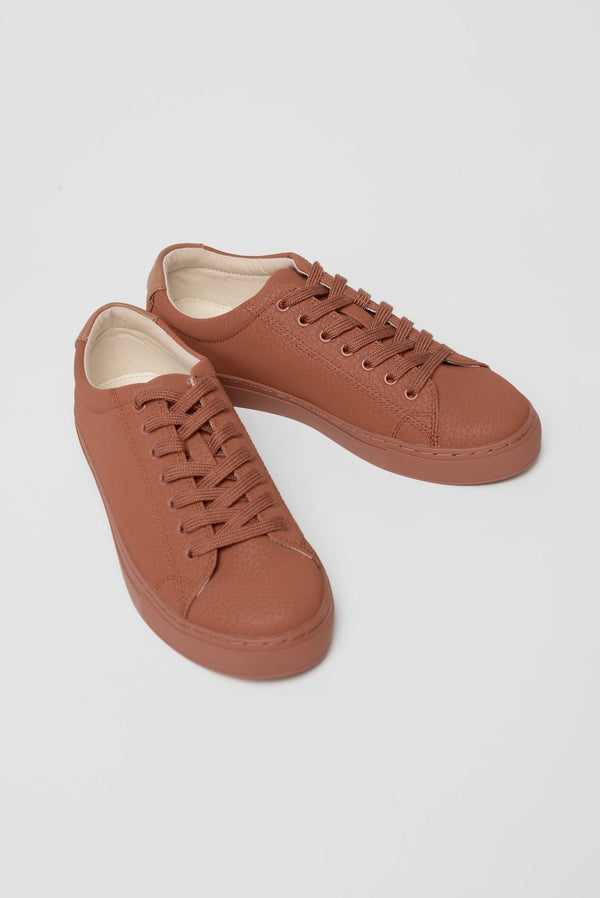
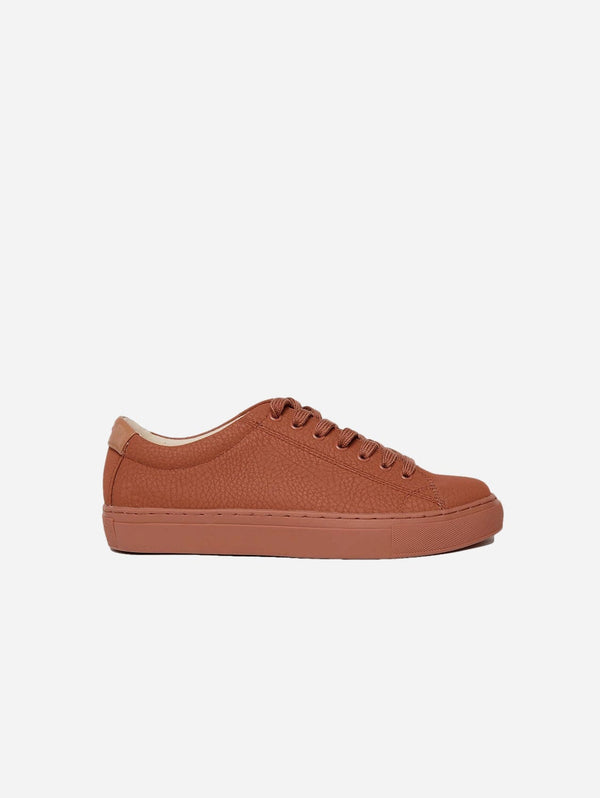
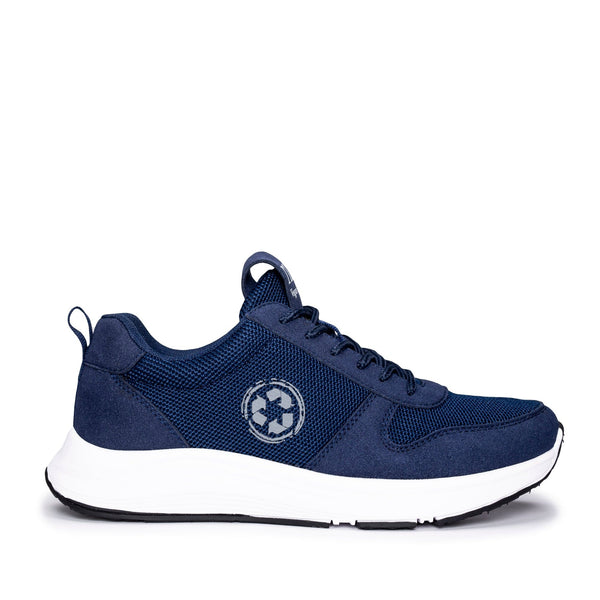
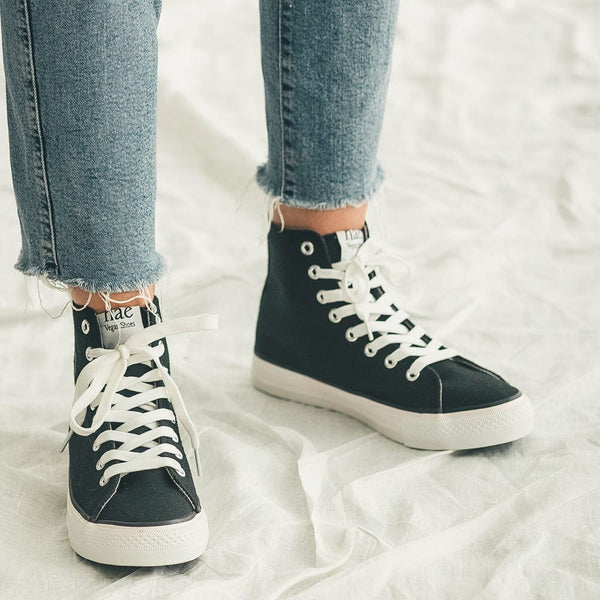
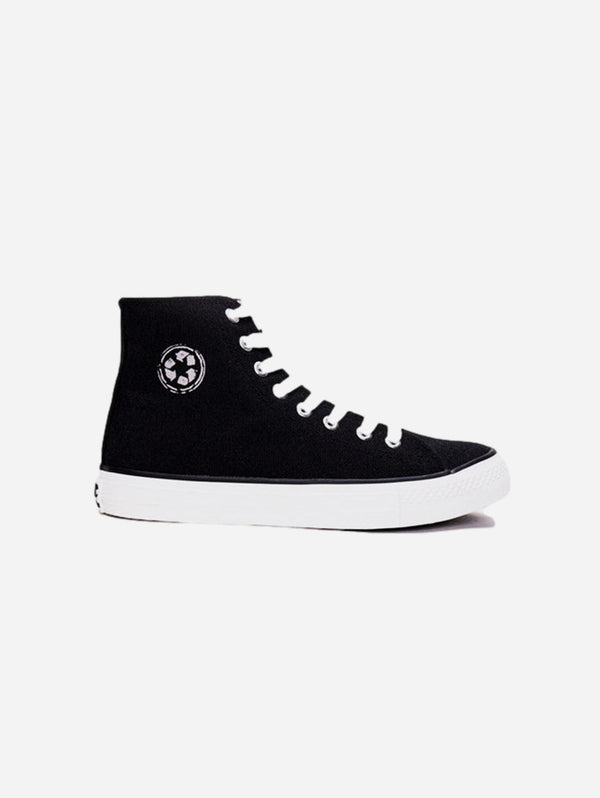
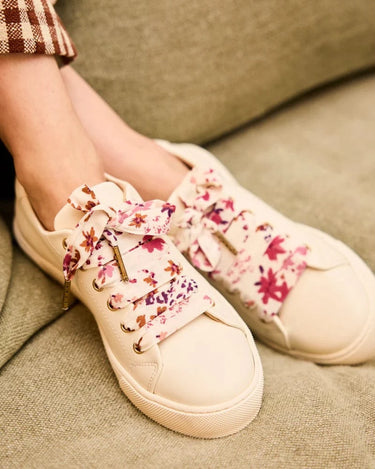
Someone who is working on it is sneaker-led label COG. A lot of effort goes into making the French shoe brand's sneaker efforts as sustainable as possible. "We obviously go for 100% vegan components, and we also opt for plant-based (grape marc, recycled corn, bamboo, rubber) and recycled materials (plastic bottles recovered from the sea)," says Ambre Nifaut, Communications Manager at COG. "We carefully analyse the various alternatives available to us, and to ensure the durability of our models, we wear our prototypes for several months."

According to Nifaut, good care can go a long way towards ensuring sneakers last as long as possible. "We advise our customers not to wash their COG shoes in the washing machine, but rather to clean them by hand using a damp cloth and leave them to dry in the open air, avoiding placing them in direct sunlight (which could alter the colour) or near a radiator (which could cause the materials to deform). To freshen up the insoles of sneakers, we recommend removing them and sprinkling them with baking soda. After leaving the powder to work for a few hours, simply remove it by rubbing gently before putting the insoles back in the shoes."
And longevity is key: the aim here is to keep those valuable pairs out of landfill for as long as possible. Despite some companies making progress towards circularity, shoes are hard to recycle due to so many different components being involved. Good believes that repair and reuse is key. "It's time to move on to owning and appreciating (and perhaps not hoarding hundreds of pairs of) shoes that can be repaired and worn again and again. I still have my Prada heels from the 90s - but I don't have any of my sneakers." Good also reminds that, with sneakers, like with most things in fashion, the dose makes the poison. "A few pairs a year isn't going to make the planet burn but if you have a warehouse full, then that's different, that's fancy overconsumption and hoarding." Over at COG, Nifaut reflects on the importance of making good choices. "Sustainability, in the broader sense, could extend to the fact that wearing eco-designed shoes also means making a choice that respects people and the environment. A pair of shoes designed intelligently with innovative materials promotes conscious fashion that preserves life as a whole."
About Sascha
Sascha Camilli is a vegan writer, speaker and activist. Her book Vegan Style is out now on Murdoch Books. For more about Sascha, you can read our interview with her or sign up to her newsletter Kind of Wild.
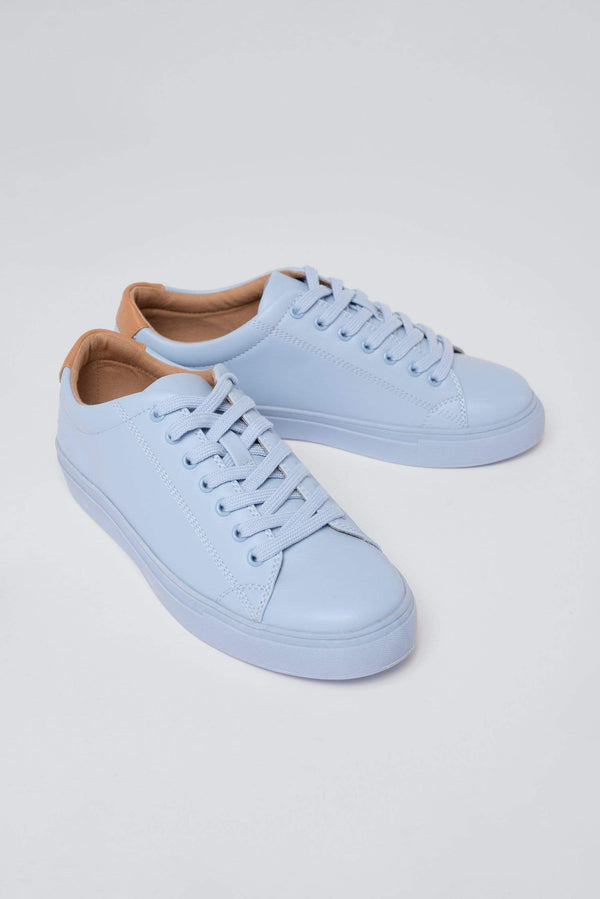
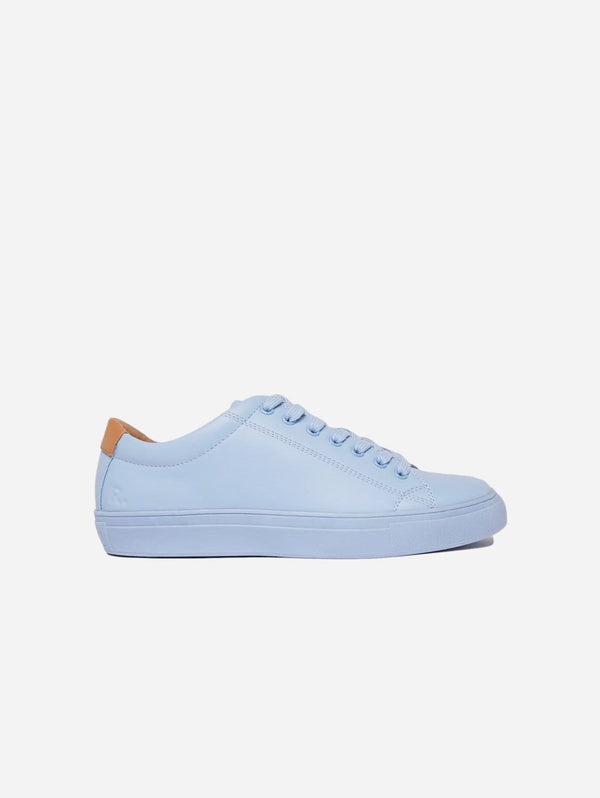
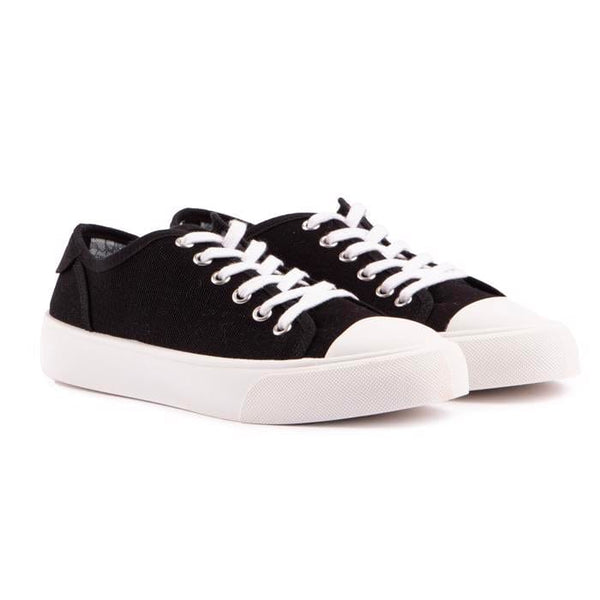
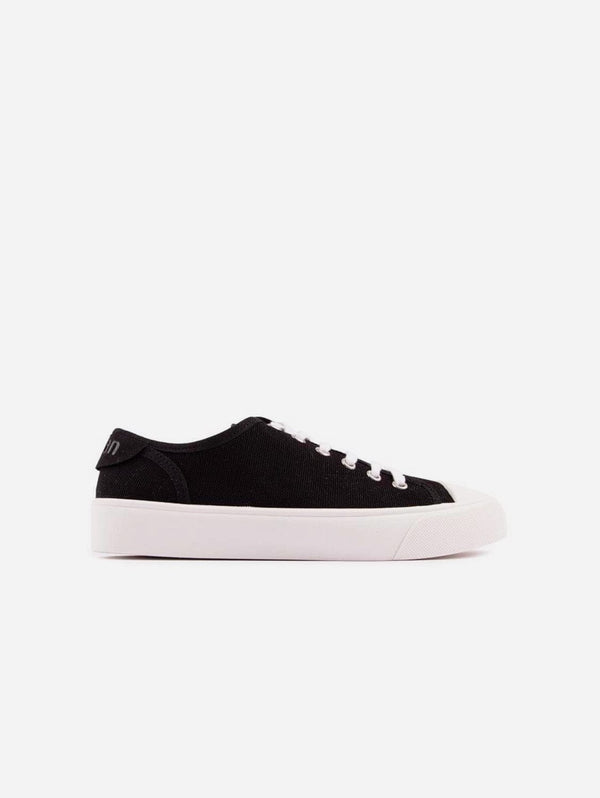
Cover image by Ration.L. Second image by Agazi. Third photo by COG.
For more great content like this in your inbox, sign up to our newsletter, and save 10% off your next purchase, plus great savings throughout the year.